


Earn to Die Rogue
4.52.18K Reviews
App Specs
- Version
- 1.28.252
- Updated On
- License
- Free
- Downloads
- 10,000,000+
- Developer
- Not Doppler
- Categories
- Racing
- Platform
- Android, iOS
Screenshots
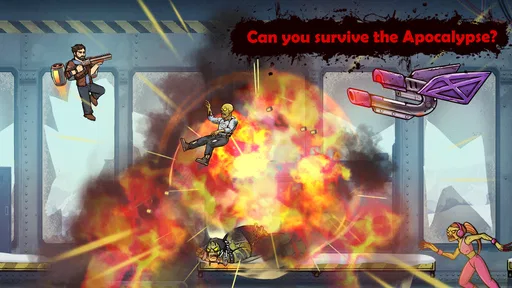
 Analysis by AppCompare
I tend to judge a racing game by what happens after the first burst of excitement: do I still have a reason to come back, and does playing feel like a choice rather than a chore? Earn to Die Rogue makes a quick impression with its grimy cars, zombie-filled routes, and the promise that each attempt can take you a little farther. Its best fit is someone who enjoys short bursts of driving action and likes seeing a vehicle gradually become more capable. It is less convincing if you want a deep racing simulation or a story-led zombie adventure.
The first few runs have an easy pull
The basic appeal is immediate: get behind the wheel, push through danger, and see how far the current car can manage. That simple loop makes the game easy to pick up when I have a few spare minutes. I do not need to settle in for a long session to understand the goal, and the rough, post-apocalyptic setting gives each run a clear sense of urgency.
There is also a useful little decision tucked into the action: when a run ends, I can think about what held me back instead of treating the result as pure luck. Was the vehicle short on power, did it need to last longer, or did I simply take a poor line through an obstacle? That small post-run review gives the upgrade loop more purpose than merely buying whatever looks most dramatic.
For a realistic everyday use, I can see myself playing a run while waiting for a coffee or winding down between other tasks. The controls are straightforward enough that I can return without relearning a complicated scheme, while the short-run structure makes it easy to stop after one attempt. The catch is that a quick session can turn into several retries if I am close to beating my previous distance.
The Thrill of the Chase
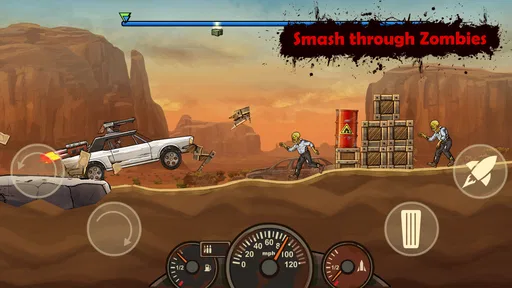
When I first launched Earn to Die Rogue, I was immediately thrown into a post-apocalyptic setting where survival is the name of the game. The premise is simple: drive through hordes of zombies to reach the safe zone. But oh, it’s so much more than just driving. The game cleverly combines action with strategy, making every decision count as you upgrade and customize your vehicle.
The controls are intuitive, making it easy for both newbies and seasoned gamers to get the hang of it quickly. The straightforward interface lets you focus on what matters—outsmarting zombies and navigating treacherous terrain. I found myself glued to the screen, eager to see how far I could push my current ride before it sputtered to a halt.
Upgrading Your Ride
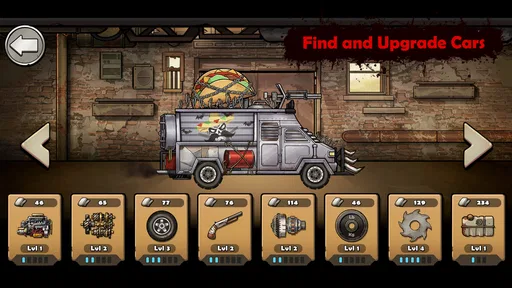
One of the most exciting aspects of Earn to Die Rogue is the vehicle customization. You start with a basic car, but as you progress, you can earn cash to upgrade everything from the engine to weaponry. I must admit, there’s something incredibly satisfying about turning a rusty jalopy into a zombie-crushing beast.
Worth Reading Before You Choose

EA SPORTS FC Mobile 26 Is a Bigger Football Game, but It Takes Time

Flipboard Shows What News Apps Must Do Beyond the Feed

Switching to Android Auto Means Rethinking Your Driving Routine

Google Calendar Makes a Crowded Week Easier to Manage

Ludo King Makes the Most of the Minutes Between Plans

Baby Panda World Brings Quick Play to Modern Phones, but Its Game Library Feels Busy
The game offers a wide array of upgrades that cater to different play styles. Want to plow through zombies with brute force? Invest in a spiked bumper. Prefer to outrun danger? Boost your engine and fuel tank. Each upgrade decision feels impactful, making every run slightly different from the last.
A World of Challenges
The game’s levels are varied and challenging, keeping the gameplay fresh and exciting. I appreciated the mix of straightforward roads and tricky terrains, each requiring a different approach. The dynamic weather and time of day changes also add a layer of realism to the game, making it feel like you’re truly racing against time.
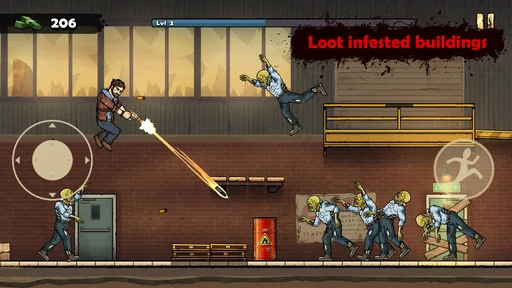
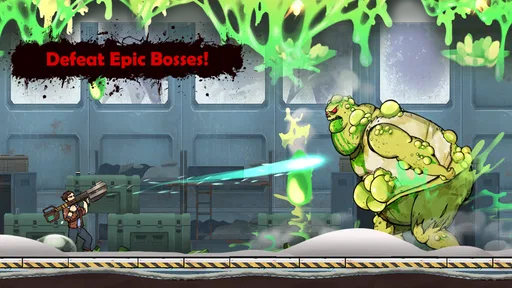
The zombies themselves are not just obstacles; they’re part of the challenge. The game throws different types of zombies at you, each with unique behaviors. Some are slow and lumbering, while others are fast and aggressive. It keeps you on your toes, constantly reassessing your strategy as you plow through the undead.
Compared with conventional mobile racers, which usually ask me to chase lap times, race rivals, or master a course, this one puts more weight on making progress through hostile terrain and choosing improvements for the next attempt. That is a welcome change if leaderboard pressure is not your thing. It is not the right substitute for a realistic driving game, though: I would choose a track racer for precise cornering, competitive events, and the satisfaction of learning a circuit.
Graphics and Sound
The graphics in Earn to Die Rogue are sharp and vibrant, capturing the gritty feel of a zombie apocalypse without being overly dark or depressing. The animations are smooth, and the attention to detail—like the dust trails and zombie ragdoll physics—adds to the overall experience.
Sound plays a crucial role in immersing you in the game. The roar of your engine, the clatter of debris, and the groans of zombies combine to create a tense atmosphere. I found myself cranking up the volume to fully dive into the chaotic world.
What keeps it worthwhile after the novelty
The longer-term draw is not just unlocking a stronger-looking vehicle; it is learning how different priorities change a run. I would avoid spending every available resource on the most exciting offensive option. If a run repeatedly ends because the car cannot keep moving or runs out of room to recover, a practical improvement can be more valuable than extra impact. My rule of thumb is to notice the failure point first, then choose an upgrade that addresses it. That makes progress feel earned rather than random.
That approach also helps answer whether the game has lasting value. I enjoy it most when I treat each attempt as a small experiment: change one priority, make another run, and see whether the result improves. If I buy upgrades without paying attention to what is actually limiting me, the progression becomes less satisfying and the same stretch can start to feel like repetition. The game works best as a compact routine, not as something I need to grind through in one sitting.
Who should make room for it
This is a good choice for players who like arcade-style racing games, vehicle upgrades, and a little trial and error. It can also suit someone who enjoys zombie action but would rather solve problems with a vehicle than manage a lengthy survival campaign. I would recommend it to a friend who wants a clear goal and a reason to revisit a run, especially if they like tuning a rough car into a more dependable machine.
I would steer away from it if you mainly want head-to-head races, realistic vehicle handling, or a large open world to explore at your own pace. The appeal here is focused: drive, deal with obstacles, improve the vehicle, and try again. Players who dislike repeating routes while building progress may find that loop tiring, even if they enjoy the theme.
One practical question is whether it is free to try. The game is free, with optional in-app purchases ranging from $0.99 to $99.99 per item. I would begin by playing without spending and see whether the normal progression feels comfortable; paying is not the first thing I would recommend to someone who has not yet decided whether they enjoy repeating runs. It is rated Teen, so it is better suited to older children and adults than to very young players.
Maintenance, friction, and the point to stop
There is little routine maintenance to the core experience beyond returning to the game and making sensible upgrade choices, but the player still has to manage their own appetite for repetition. A useful stopping point is after a run where I have learned what went wrong or made a meaningful improvement. If I keep retrying only because I am irritated by a near miss, the session stops being relaxing. Short sessions suit the design better than forcing a long marathon when progress has slowed.
Another trade-off is that the upgrade fantasy can make every run feel like it should be better than the last. That is not always how a challenge feels in practice: a better-equipped car does not remove the need to react to terrain and threats. I find that more enjoyable when I see upgrades as tools rather than guarantees. If I want a calm game with no pressure to retry, I would choose something slower; if I want a quick burst of noisy, destructive driving, this is a stronger fit.
Final Thoughts
Earn to Die Rogue delivers a thrilling ride that’s perfect for quick gaming sessions or longer marathons. Its blend of action and strategy keeps it engaging, while the upgrade system offers a sense of progression that’s incredibly rewarding. Whether you’re a fan of zombie games or just looking for a fun way to pass the time, this game is worth every penny.
So, if you’re ready to test your survival skills and see how far you can go with a decked-out death machine, give Earn to Die Rogue a try. Just remember, in this world, it’s not only about the destination—it’s about the journey and the upgrades you make along the way.
Where it sits among mobile games
Earn to Die Rogue is a free racing game from Not Doppler, and the contrast between its simple controls and upgrade decisions is central to its appeal. It has a 4.5 average from around 93,000 ratings, with over 10 million installs, so it is an established option rather than an obscure experiment. It was released on May 7, 2024, and version 1.21.227 requires Android 7.0 or later.
That context may help when deciding what to install, but I would not treat popularity as a promise that every player will stick with it. Its focused driving-and-progression loop is quite different from racers built around licensed cars, realistic handling, or online competition. If I want quick arcade action with a clear upgrade goal, I would choose this; if I want a racing game that rewards mastering braking points or competing against other drivers, I would look elsewhere.
Keeping the loop fresh without turning it into work
For month-to-month value, I would use the game in bursts rather than make it a daily obligation. A sensible pattern is to play until a run reveals a specific weakness, make a targeted improvement, and then decide whether another attempt sounds fun. This keeps the progression connected to choices I can understand. It also gives me permission to leave the game alone when I have stopped enjoying the challenge; a mobile game does not need to become a habit to justify its place on my phone.
The strongest non-obvious tip is to resist changing several things at once when a run disappoints. If I invest in multiple upgrades and then do better, I cannot tell which decision helped. Focusing on one apparent bottleneck makes the next attempt a clearer test. I would also avoid judging a vehicle solely by how much damage it seems able to cause: staying mobile and reaching farther can matter more than making every collision dramatic.
Another useful distinction is between a bad run and a useful one. A bad run can still show me where momentum disappears or which obstacle demands a different approach. If I can name what I learned, I am more likely to enjoy trying again. If I cannot identify anything to adjust and the only plan is to repeat the same attempt until it works, that is a sign to take a break rather than spend more time out of frustration.
What to expect before installing
The most common practical question is whether it suits a short attention span. I think it does, because the driving objective is easy to grasp and the upgrade loop gives a reason to return. Still, it may not be ideal for someone who wants every session to feel different: the central activity remains driving through threats and improving the vehicle, so familiarity is part of the design rather than a flaw that disappears later.
Another question is whether it is a good fit for a younger player. Its content rating is Teen, and the zombie combat gives it a more intense tone than a family-friendly racing game. I would check that rating against the player’s age and preferences rather than assuming that the cartoonish vehicle action makes it suitable for everyone.
As a game by Not Doppler, it is easy to understand why the premise works on a phone: there is a direct objective, immediate feedback, and a progression loop that can be approached in small sessions. But I would not recommend it to someone who expects an elaborate narrative, a broad social racing scene, or an endlessly changing set of activities. Its value comes from repeating a focused challenge with better preparation, and that will either be appealing or become the reason to uninstall.
Long-term verdict
My lasting impression is that this game earns a place on a phone when I want an uncomplicated arcade challenge with a satisfying sense of mechanical progress. The opening runs provide the hook; the longer-term value depends on whether I enjoy diagnosing a failed attempt and making a deliberate adjustment. For me, that is enough to return occasionally, but not a reason to force a daily routine.
At its best, it turns a few spare minutes into a small, clear problem: how can I make this vehicle carry me farther next time? If that question sounds fun, the free entry point makes it easy to see whether the loop clicks, while the optional purchases are there for players who choose to spend. If you would rather have variety, realistic racing, or a story that continually introduces new ideas, this is not the right long-term pick. For the right player, though, its focused blend of zombie-filled driving and incremental upgrades can remain enjoyable well after the first novelty fades.
Pros
- Engaging storyline with dynamic gameplay.
- Intuitive controls enhance user experience.
- Variety of vehicles and upgrades available.
- Stunning graphics and detailed environments.
- Regular updates with new levels and challenges.
Cons
- In-app purchases can be pricey.
- Requires consistent internet connection.
- Ads may interrupt gameplay frequently.
- Limited free content without upgrades.
- Some levels feel repetitive over time.
FAQs for Earn to Die Rogue
What is Earn to Die Rogue about?
Earn to Die Rogue is an action-packed driving game where players navigate through a post-apocalyptic world filled with zombies. The objective is to upgrade your vehicle and crush through hordes of undead to reach safety. The game combines strategy with thrilling gameplay, offering endless hours of entertainment.
Is Earn to Die Rogue free to play?
Earn to Die Rogue is free to download and play, but it offers in-app purchases. These purchases can enhance gameplay by allowing players to buy upgrades or unlock features faster. However, players can enjoy the game fully without spending money, as all content can be unlocked through regular gameplay.
What platforms is Earn to Die Rogue available on?
Earn to Die Rogue is available on both Android and iOS platforms. You can download it from the Google Play Store for Android devices or the Apple App Store for iOS devices. The game is optimized for mobile play, ensuring smooth performance on a wide range of devices.
Does Earn to Die Rogue require an internet connection?
Earn to Die Rogue can be played offline, making it perfect for gaming on the go without worrying about connectivity issues. However, some features, like cloud saving and leaderboards, may require an internet connection to function properly. Offline play ensures you can enjoy the game anytime, anywhere.
What age rating does Earn to Die Rogue have?
Earn to Die Rogue is rated for players aged 12 and up due to its mild violence and thematic elements. The game involves driving through zombies, which may not be suitable for younger audiences. Parents are encouraged to review the content to ensure it is appropriate for their children.


